Skylights present a valuable opportunity for enhancing flat roof structures. They offer various benefits, including increased natural light and improved ventilation.
Different types of skylights cater to specific needs and preferences. Understanding the options available is essential for making an informed choice.
As homeowners begin to explore the types and functionalities of skylights, they may find themselves questioning which design best suits their space and requirements. The answers lie ahead.
Although flat roofs may seem challenging for natural lighting solutions, installing skylights can greatly enhance the interior ambiance. These architectural features allow sunlight to flood in, creating a bright and inviting atmosphere.
They can reduce reliance on artificial lighting, lowering energy costs and promoting a more sustainable environment. Additionally, skylights can improve ventilation, helping to regulate indoor temperatures and air quality. Their ability to offer unobstructed views of the sky can also provide a sense of openness, making spaces feel larger.
Overall, skylights on flat roofs contribute remarkably to both aesthetic appeal and functional benefits in residential and commercial buildings.
Skylights for flat roofs come in a variety of styles and designs, each catering to different aesthetic preferences and functional needs. Fixed skylights are popular for maximizing natural light without ventilation, while vented skylights allow for airflow, enhancing indoor comfort.
Tubular skylights provide a compact solution, channeling sunlight through reflective tubes into interior spaces. Curb-mounted skylights sit on raised curbs, providing better drainage and minimizing leaks, whereas flush-mounted options create a seamless appearance with the roof.
Additionally, pyramid skylights offer a unique architectural touch, combining style with effective light distribution. Each type serves distinct roles in enhancing flat roof environments.
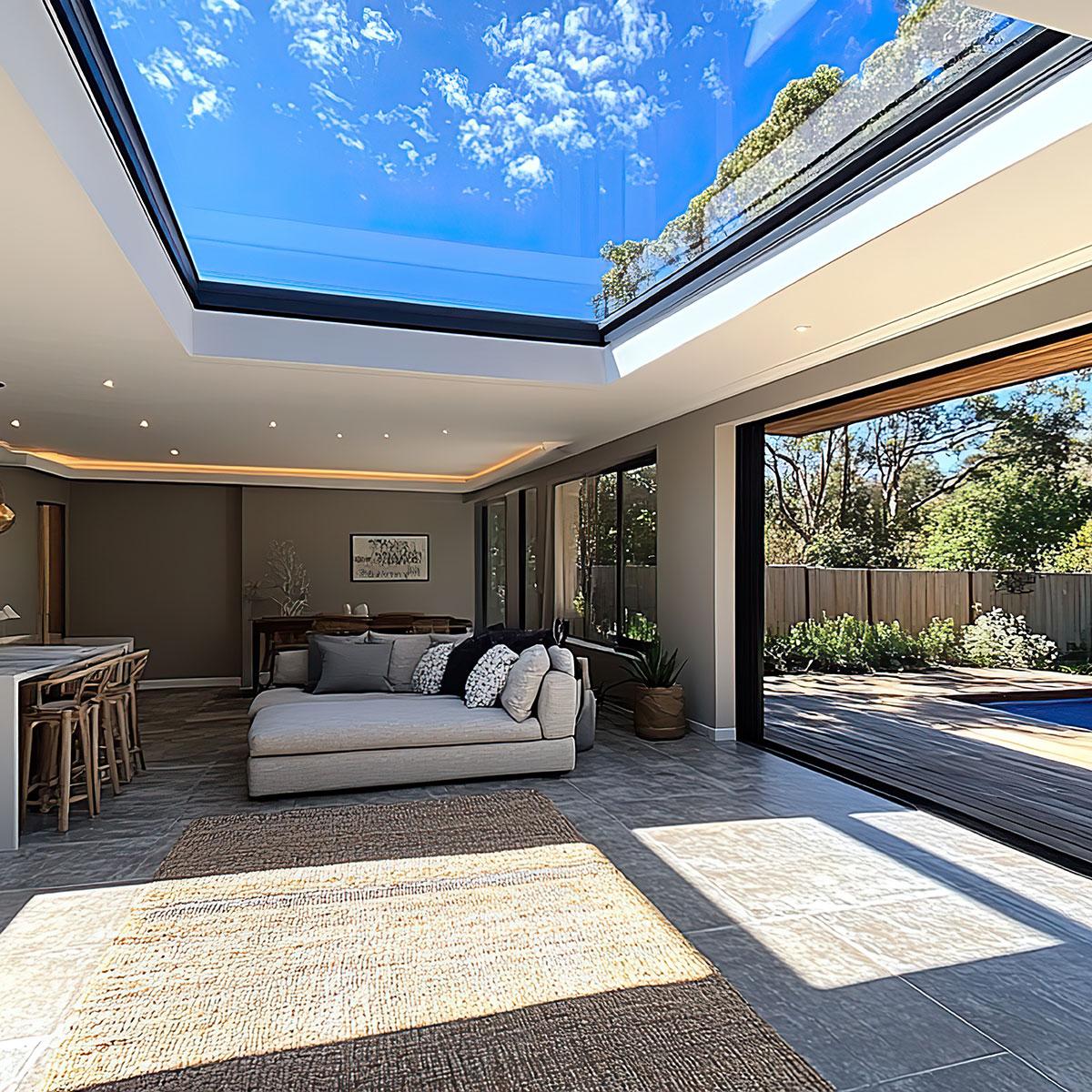
The choice of materials in skylight construction greatly impacts durability, energy efficiency, and overall performance. Common materials include tempered glass, which offers strength and UV resistance, and acrylic or polycarbonate, known for their lightweight properties and impact resistance.
Frames are typically made from aluminum, vinyl, or wood, each providing different levels of insulation and aesthetic appeal. Additionally, energy-efficient options often incorporate low-emissivity (low-E) coatings to minimize heat transfer.
Selecting appropriate materials not only enhances the skylight's functionality but also influences maintenance needs and longevity, making informed choices essential for ideal results in flat roof applications.
Proper installation techniques for flat roof skylights are essential to guarantee maximum performance and longevity. First, the installation site should be thoroughly prepared, guaranteeing a level and secure base to prevent leaks. Utilizing a curb system can help elevate the skylight and facilitate water drainage.
Proper sealing with high-quality waterproof membranes is important to mitigate moisture infiltration. Additionally, the skylight must be securely fastened to avoid movement caused by wind or temperature changes.
Finally, it's critical to confirm that any insulation around the skylight is installed correctly to enhance energy efficiency and maintain a consistent indoor temperature.

Although skylights can enhance natural light and energy efficiency, regular maintenance is essential to guarantee their functionality and longevity. Homeowners should inspect skylights for leaks, ensuring seals and flashing are intact.
Cleaning the glass surface regularly prevents dirt buildup that can hinder light transmission. It is advisable to check for condensation, which may indicate insulation issues. Additionally, trimming nearby trees can prevent debris from accumulating.
If any cracks or damage are observed, prompt repairs are vital to avoid further complications. Regularly evaluating the overall condition of skylights contributes to their performance and extends their lifespan.
When considering energy efficiency, homeowners should recognize that skylights can considerably influence heating and cooling costs. Properly installed and well-insulated skylights can enhance natural light, reducing the need for artificial lighting during the day.
Additionally, energy-efficient models equipped with low-emissivity (low-E) glass can minimize heat transfer, keeping interiors cooler in summer and warmer in winter. Homeowners should also consider the placement and size of skylights, as strategic positioning can optimize sunlight while preventing excessive heat gain.
Ultimately, selecting energy-efficient skylights contributes to lower utility bills and a more sustainable living environment, benefiting both homeowners and the planet.
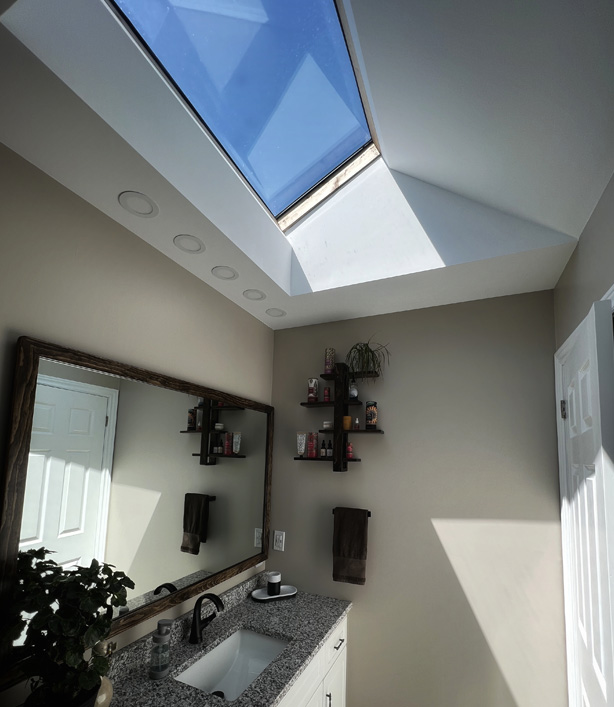
Yes, it is possible to install multiple skylights on a flat roof. However, careful planning is essential to guarantee proper spacing and alignment for ideal light and ventilation. Consideration must also be given to the structural integrity of the roof, drainage, and potential leaks. Consulting with a professional can help determine the best approach, assuring that the installation meets local building codes and enhances the overall aesthetics and functionality of the space.
Common skylight installation mistakes to avoid include improper sealing, which can lead to leaks, and incorrect flashing installation, risking water damage. Failing to account for the roof's slope and drainage can also create issues. Additionally, neglecting to use the right materials or sizes for the skylight can result in structural problems. Finally, overlooking local building codes and regulations may lead to costly fines or rework, emphasizing the importance of thorough preparation and planning.
Skylights can indeed help reduce energy costs in flat roof homes. By allowing natural sunlight to illuminate living spaces, they can decrease reliance on artificial lighting during the day. Additionally, some skylights come with energy-efficient glazing that helps regulate indoor temperatures, reducing heating and cooling expenses. When strategically placed, skylights enhance ventilation, further contributing to a more energy-efficient environment. Overall, they can be a valuable investment for energy-conscious homeowners.