
Accessing learning for every grade level requires a thoughtful blend of resources and strategies. Educators face the challenge of meeting diverse student needs.
Extensive tools and materials can facilitate this process. However, understanding how to effectively implement these resources is essential.
What specific methods can teachers employ to enhance their curriculum? The following sections will explore various approaches to support both educators and students in achieving greater educational outcomes.
Equipping educators with the right resources is essential for fostering a productive learning environment. Essential tools for teachers include interactive whiteboards, which facilitate dynamic lesson delivery, and digital platforms that streamline lesson planning and assessment.
Access to high-quality teaching materials, such as textbooks and online resources, enhances curriculum delivery. Professional development workshops empower educators with innovative teaching strategies and technology integration.
Additionally, collaboration tools enable teachers to share best practices and engage with peers. By providing these essential resources, schools can support teachers in creating engaging, effective learning experiences that cater to diverse student needs, ultimately enhancing educational outcomes.
Engaging parents in their children's education is essential for academic success. Various resources empower parents to support their children's learning journey.
Workshops, newsletters, and online forums can enhance communication between educators and families.
These resources not only provide essential information but also foster a community that promotes educational engagement. By utilizing these tools, parents can play an important role in enhancing their children's academic experiences.
Interactive learning platforms have transformed the educational landscape for students, providing dynamic and personalized experiences that cater to diverse learning styles. These platforms often incorporate multimedia elements such as videos, quizzes, and interactive simulations to enhance engagement and retention.
Students can progress at their own pace, allowing for a deeper understanding of concepts. Additionally, real-time feedback helps learners identify areas for improvement. Many platforms also facilitate collaboration among peers, fostering a sense of community and shared learning.
As technology continues to evolve, these interactive resources play an essential role in preparing students for a future that increasingly values digital literacy.
While traditional educational resources may not meet the needs of all students, specialized resources can provide tailored support for diverse learning requirements. These resources encompass a variety of formats, including multimedia tools, adaptive technology, and individualized learning plans.
They address challenges faced by students with learning disabilities, language barriers, and varying cognitive abilities. For instance, visual aids and interactive software can enhance comprehension for visual learners, while audiobooks may benefit those with reading difficulties.
Additionally, specialized training for educators guarantees effective implementation, fostering an inclusive environment where all students can thrive and reach their full potential within the educational landscape.
Curriculum enhancement is essential for meeting the diverse needs of all students, particularly those who require specialized resources.
Effective strategies include integrating technology to facilitate interactive learning experiences, promoting collaborative projects that foster teamwork, and employing differentiated instruction to address varying skill levels. Additionally, regular assessment and feedback can guide educators in modifying existing curricula to better suit student needs.
Engaging stakeholders, such as parents and community members, can also enrich curriculum development by providing diverse perspectives and resources. Ultimately, a dynamic and responsive approach to curriculum enhancement promotes inclusivity and guarantees all students have equitable access to quality education.
To effectively engage students and enhance learning outcomes, educators must explore a wide range of subject-specific materials and activities tailored to each grade level. These resources can include interactive simulations for science, historical reenactments for social studies, and problem-solving games for mathematics.
Language arts can benefit from literature circles and writing workshops, while art classes can incorporate digital tools and community projects.
By integrating diverse activities, educators can cater to varied learning styles and interests, fostering a deeper understanding of subject matter. Ultimately, providing these targeted resources promotes a more dynamic and effective learning environment for all students.
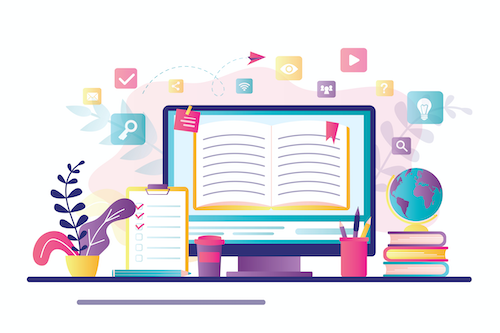
To assess student progress in a digital classroom, educators can utilize various tools such as online quizzes, interactive assignments, and digital portfolios. Regular feedback through discussion forums and peer assessments enhances understanding. Additionally, tracking participation in virtual activities and analyzing performance data from learning management systems can provide insights into individual progress. These methods allow for a thorough evaluation of student engagement and achievement, ensuring that learning objectives are met effectively.
Age restrictions for online courses vary by provider. Many platforms do not impose strict age limits, allowing individuals of all ages to enroll, especially in non-accredited courses. However, some accredited institutions may require students to be at least 18 years old or possess a high school diploma. Additionally, certain courses may have prerequisites or recommended age ranges, particularly those involving advanced topics. It is essential to review the specific requirements of each course before enrolling.
Laptops and tablets are the best devices for accessing online education due to their portability and functionality. Laptops offer larger screens and full keyboards, enhancing the learning experience. Tablets, on the other hand, provide touch-screen convenience and are ideal for reading and interactive applications. Smartphones can also be used for on-the-go learning, but their smaller screens may limit usability. Ultimately, the choice depends on personal preference and specific educational needs.